Why Longer CGM Wear Time Matters for Diabetes Management
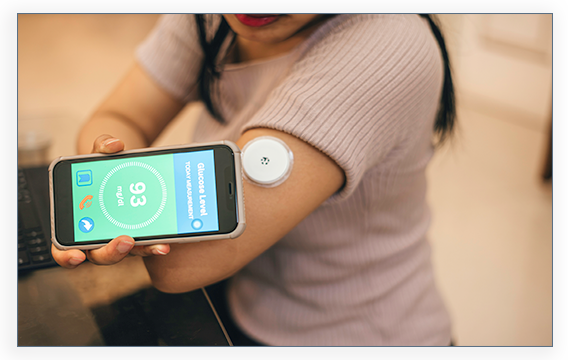
Discover how longer CGM wear time can reduce interruptions, improve glucose visibility, and help those with diabetes maintain better diabetes management habits with the Dexcom G7 15 Day.
Why Longer CGM Wear Time Could Improve Diabetes Success Beyond Convenience
For people living with diabetes, success is often built on consistency. Consistent monitoring, consistent treatment decisions, and consistent access to glucose data all contribute to better outcomes over time.
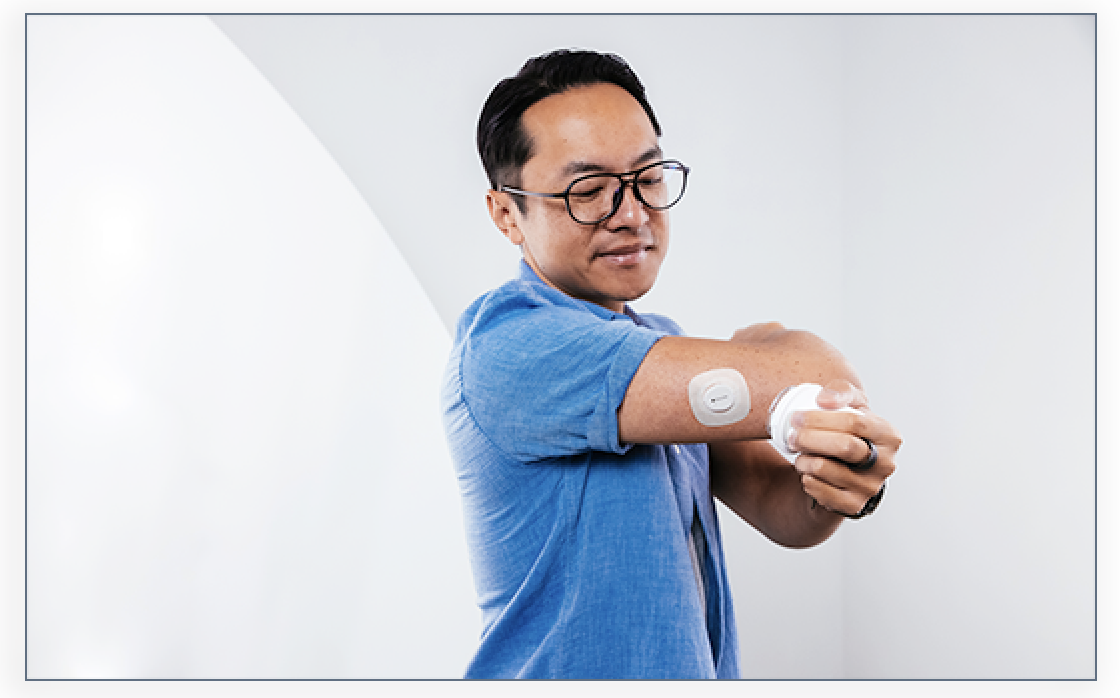
That’s why the recent FDA clearance of the Dexcom G7 15 Day Continuous Glucose Monitoring System is generating so much attention. While many discussions focus on the convenience of wearing a sensor for up to 15.5 days, the bigger story may be how longer wear time supports long-term diabetes management habits.
The Hidden Challenge of Diabetes Technology
Even with advances in diabetes care, every interruption creates an opportunity for missed data.
Sensor changes can be easy to overlook, but they often introduce small gaps in glucose monitoring. Whether someone delays replacing a sensor because they’re busy, traveling, or simply forgets, these interruptions can reduce visibility into glucose trends.
Continuous glucose monitoring works best when it stays continuous.
By extending wear time from approximately 10 days to 15 days, the new G7 15 Day helps reduce the number of sensor changes required throughout the year. Fewer changes mean fewer opportunities for interruptions and a more consistent picture of glucose patterns.
More Data Leads to Better Decisions
The real value of CGM technology comes from seeing trends over time. Understanding how meals, exercise, medications, stress, and sleep affect glucose levels can help people make more informed decisions throughout the day.
When glucose data is collected consistently, users gain a clearer understanding of:
-
Time in Range
-
Overnight glucose patterns
-
Post-meal glucose responses
-
Exercise-related fluctuations
-
Recurring high and low glucose events
The longer a sensor remains in place, the easier it becomes to maintain that uninterrupted stream of information.
Building Better Diabetes Habits
One of the most overlooked aspects of diabetes management is reducing decision fatigue.
People living with diabetes already make countless health decisions every day. Anything that simplifies daily routines can have a meaningful impact on adherence and long-term success.
The G7 15 Day is designed to minimize one more task from the monthly diabetes checklist. Instead of managing more frequent sensor replacements, users can spend less time worrying about equipment and more time focusing on health goals.
This shift from device management to health management may ultimately provide value beyond the technology itself.
Accuracy Still Matters
The good news is that the Dexcom G7 15 Day delivers an overall Mean Absolute Relative Difference (MARD) of 8.0%, making it the most accurate CGM system in Dexcom’s portfolio and one of the most accurate systems available today.
This combination of longer wear and high accuracy allows users to have confidence in the glucose readings they rely on throughout daily life.
The Bottom Line
The conversation around the Dexcom G7 15 Day shouldn’t only be about getting five extra days from a sensor.
The bigger opportunity is uninterrupted diabetes management. Longer wear time can help reduce monitoring gaps, encourage consistency, simplify daily routines, and provide a more complete view of glucose patterns.
Interested in learning if a CGM is right for you? Edwards Health Care Services (EHCS) can help you understand your coverage options, determine eligibility, and find diabetes supplies that fit your lifestyle and care plan.
Ready to Learn More?
Frequently Asked Questions
The Dexcom G7 15 Day sensor is designed to provide up to 15.5 days of continuous glucose monitoring, including the grace period, giving users fewer sensor changes than previous Dexcom sensors.
Yes. The Dexcom G7 15 Day is approved for adults with Type 1 diabetes, Type 2 diabetes, and gestational diabetes.
Most users can make diabetes treatment decisions from CGM readings. Fingersticks may still be required if symptoms don’t match the readings shown by the device.
Yes. The Dexcom G7 15 Day can connect with compatible smartphones and other supported devices, allowing users to view glucose information in real time.
Yes. Dexcom users can share glucose information with loved ones and caregivers through Dexcom’s sharing tools and compatible apps.
Many insurance plans provide coverage for Dexcom CGM systems. Coverage varies by plan, diagnosis, and eligibility requirements. MyEHCS can help verify benefits and determine available coverage options, including Dexcom G7 insurance coverage.
The primary difference is wear time. The Dexcom G7 15 Day offers extended wear of up to 15.5 days, reducing the number of sensor changes needed throughout the month while maintaining the real-time glucose monitoring experience.
References:
1. Dexcom G7 15 Day Receives FDA Clearance: the Longest Lasting Wearable and Most Accurate CGM System. News release. Dexcom. April 10, 2025. Accessed April 10, 2025. https://investors.dexcom.com/news/news-details/2025/Dexcom-G7-15-Day-Receives-FDA-Clearance-the-Longest-Lasting-Wearable-and-Most-Accurate-CGM-System/default.aspx
2. Dexcom Report Unveiled at ATTD 2025 Reveals HCPs Favour Tech Over Medication for Future of Type 2 Care. News release. Dexcom. March 19, 2025. Accessed April 10, 2025. https://investors.dexcom.com/news/news-details/2025/Dexcom-Report-Unveiled-at-ATTD-2025-Reveals-HCPs-Favour-Tech-Over-Medication-for-Future-of-Type-2-Care/default.aspx
Tags: CGM, Dexcom, Diabetes Management, GEMCORE