How Seasons Affect Diabetes Managment
Just like the weather changes with the seasons, diabetes management can look different throughout the year. From the heat of summer to the chill of winter, shifts in temperature, activity levels, and even daily routines can impact blood sugar control. Understanding how these seasonal changes affect your body can help you stay prepared and in control all year long.

Managing Diabetes in Warmer Weather

1. Stay Hydrated: Hot weather increases the risk of dehydration, which can raise blood sugar levels. Since the body sweats more in the spring and summer heat, it’s important for people with diabetes to drink plenty of fluids to stay hydrated and keep blood glucose in check.
2. Insulin Absorption: Heat exposure is known to accelerate insulin absorption, leading to unexpected drops in blood glucose. Frequent monitoring and proper storage are key, as extreme temperatures can also compromise insulin’s effectiveness.
3. Allergies: If you experience seasonal allergies, talk with your doctor before choosing an over-the-counter remedy, as some medications can interact with diabetes treatments.
Managing Diabetes in Colder Weather
1. Stay Active: It can be tough staying active when it’s cold outside, but it’s worth it. Regular movement helps manage blood glucose and improves how your body uses insulin. Simple activities like yoga, stair climbing, or dancing at home are great ways to keep moving when it’s too chilly to go outside.
2. Illness Impact: When you’re sick, your blood sugar increases. Protect yourself by getting your flu shot, washing your hands often, and prioritizing 7–8 hours of sleep.
3. Reduced Blood Flow: Cold weather can reduce blood flow, making it harder for your feet to sense temperature changes. Protect them by wearing moisture-wicking socks, proper footwear, avoiding direct heat when coming back inside, and checking them daily.

Year-Round Glucose Insights with a CGM
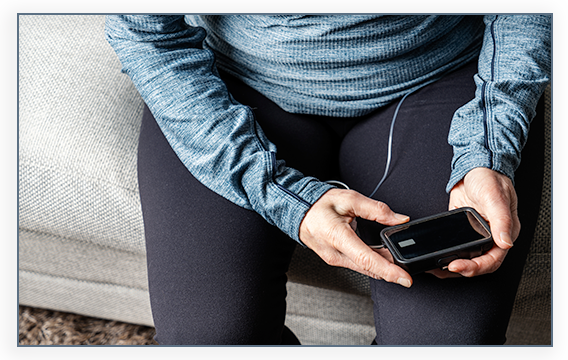
Seasonal changes can impact your blood glucose levels, but a CGM helps take out the guesswork. By giving you constant updates on your glucose levels, plus alerts for spikes or drops, it makes it easier to stay proactive instead of reactive. No matter what the weather brings, you’ll have the insights you need to stay steady, safe, and supported.
Apply for a CGM!
Now it’s easy to get started! Just fill out this enrollment form, and our Diabetes Care Advisors (DCAs) will help you with every step of the insurance process. We carry CGMs from the major manufacturers including the Abbott FreeStyle Libre systems, the Dexcom G6 and G7 systems, and the Medtronic Guardian Connect. We work with hundreds of insurances, including Medicare, that cover CGM therapy for those who qualify. Your DCA will determine your benefits and then act on your behalf throughout the insurance authorization process. We will work with you and your healthcare team to ensure you received the best product suited for your specific needs.
For additional information on insurance plans that EHCS accepts, call us at 1-888-344-3434 or email us at dca@myehcs.com. If you’re ready to find out if your insurance covers a CGM, fill out the enrollment form and we’ll get the process started.
Tags: Diabetes, Diabetes Management